
"Istanbul coffee"
230 article(s) found

A Chronicle of Coffee Development
In the 6th century, on the plateau of Abyssinia, a shepherd named Caldai drove goats to the new prairie for grazing, and accidentally found coffee fruit due to the accidental feeding of goats. In the early 10th century, Dr. Daggers, a famous doctor in Iraq, admitted and documented the pharmacological effects of coffee. This is one of the earliest valuable medical records of coffee. In the 11th century, the Arabs invented the whole
The Turks use coffee to tell their fortune.
Turkish coffee is famous for its peculiar taste, which comes from the peculiar way of preparing coffee. Its taste is recognized as the most original taste of coffee, but also a taste with a long history. This is a real way to make coffee. It grinds the roasted coffee beans into powder and boils them directly with water in a special Turkish pot.

Everyone in Turkey is a fortune teller with coffee.
Turkish coffee is famous for its peculiar taste, which comes from the peculiar way of preparing coffee. Its taste is recognized as the most original taste of coffee, but also a taste with a long history. This is a real way to make coffee. It grinds the roasted coffee beans into powder and boils them directly with water in a special Turkish pot.
The Turks use coffee to tell their fortune.
Turkish coffee is famous for its peculiar taste, which comes from the peculiar way of preparing coffee. Its taste is recognized as the most original taste of coffee, but also a taste with a long history. This is a real way to make coffee. It grinds the roasted coffee beans into powder and boils them directly with water in a special Turkish pot.
Coffee creative Turkish coffee fortune teller have you ever tried
Turkish coffee is famous for its peculiar taste, which comes from the peculiar way of preparing coffee. Its taste is recognized as the most original taste of coffee, but also a taste with a long history. This is a real way to make coffee. It grinds the roasted coffee beans into powder and boils them directly with water in a special Turkish pot.

Boutique coffee common sense mysterious and interesting Turkish coffee divination
Turkish coffee is famous for its peculiar taste, which comes from the peculiar way of preparing coffee. Its taste is recognized as the most original taste of coffee, but also a taste with a long history. This is a real way to make coffee. It grinds the roasted coffee beans into powder and boils them directly with water in a special Turkish pot.

Have you ever seen a fortune teller with coffee? Turkish coffee
Turkish coffee is famous for its peculiar taste, which comes from the peculiar coffee brewing method. Its taste is recognized as the most original taste of coffee, and it is a long-standing taste. This is a real way to make coffee. It grinds roasted coffee beans into powder and cooks them directly with water in a special Turkish pot without

Fortune telling with coffee is a taste with a long history
Turkish coffee is so strong that you will find a thick and soft coffee residue at the bottom of the cup after drinking it. Diviners shuttling through Turkish coffee shops can predict the future based on the shape of the coffee grounds in the cup. It is not until we go to Turkey that we know that Turkish coffee is famous for its strange taste, which comes from the strange way of preparing coffee. Its taste was

The steps of the Turks in coffee fortune telling coffee divination
Turkish coffee is famous for its peculiar taste, which comes from the peculiar way of preparing coffee. Its taste is recognized as the most original taste of coffee, but also a taste with a long history. This is a real way to make coffee. It grinds the roasted coffee beans into powder and boils them directly with water in a special Turkish pot.
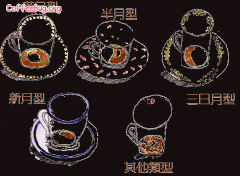
The Turks use coffee to tell their fortunes. Do you believe it?
Turkish coffee is famous for its peculiar taste, which comes from the peculiar way of preparing coffee. Its taste is recognized as the most original taste of coffee, but also a taste with a long history. This is a real way to make coffee. It grinds the roasted coffee beans into powder and boils them directly with water in a special Turkish pot.

The Turks are famous for their peculiar taste in coffee fortune telling.
Turkish coffee is famous for its peculiar taste, which comes from the peculiar way of preparing coffee. Its taste is recognized as the most original taste of coffee, but also a taste with a long history. This is a real way to make coffee. It grinds the roasted coffee beans into powder and boils them directly with water in a special Turkish pot.

The world's first coffee shop, Flower God Cafe.
Professional coffee knowledge exchange more coffee bean information Please pay attention to Coffee Workshop (Wechat official account cafe_style) in fact, the earliest coffee culture appeared in the Arabian Peninsula, but the earliest large-scale commercial coffee shop appeared in Turkey, but due to incomplete historical materials, there is no way to verify the earliest coffee shop in Turkey. Even so, we can't deny that it is true.

Cultural knowledge of Coffee fortune-telling Turks use coffee to tell fortune
Turkish coffee is famous for its peculiar taste, which comes from the peculiar way of preparing coffee. Its taste is recognized as the most original taste of coffee, but also a taste with a long history. This is a real way to make coffee. It grinds the roasted coffee beans into powder and boils them directly with water in a special Turkish pot.

Turkish pet coffee shop keeps "lion"! Cite netizens to denounce: too cruel.
Professional coffee knowledge exchange more coffee bean information please follow the coffee workshop (Wechat official account cafe_style) pet coffee shop raising lions! Leading netizens to denounce pet restaurants is becoming more and more popular, but a Turkish coffee shop raised a lion and even locked her in a glass case to attract consumers and trigger a backlash among netizens. ▲ Turkish Pet Cafe keeps Lions
The Historical Development of Coffee in the World
Sixth century Ethiopian shepherds found red coffee fruit 11th century Arab merchants spread coffee to Europe in the 13th century Arab-centered Islam drank coffee by roasting and grinding raw beans in 1529 the Viennese Franz Geora Kolschitzky established the first coffee shop in Europe, he also opened the atmosphere of drinking coffee with milk 15

The spread and Development of Coffee History
The spread and development of coffee European historians argue that there were artificially grown coffee trees for trade in Yemen in the southern Arabian Peninsula as early as 800 years ago, and there is also historical evidence that at that time, there was indeed trade across the Red Sea between Yemen and Ethiopia. Based on this, it is speculated that if the use of coffee is made by Ethiopians
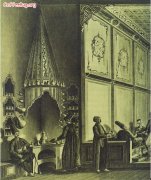
An Analysis of the Development of Coffee History in the World
Sixth century Ethiopian shepherds found red coffee fruit 11th century Arab merchants spread coffee to Europe in the 13th century Arab-centered Islam drank coffee by roasting and grinding raw beans in 1529 the Viennese Franz Geora Kolschitzky established the first coffee shop in Europe, he also opened the atmosphere of drinking coffee with milk 15

Market Analysis and Development Prospect of Fine Coffee in China
China Fine Coffee Market Analysis and Development Prospects With coffee, a drink with a long history, becoming widely known, coffee is being accepted by more and more Chinese people. Statistics show that China's coffee consumption is rising year by year, and is expected to become an important coffee consumer in the world. Now, Yunnan coffee produced on China's own soil, with its noble quality, low cost

A summary of common sense of coffee
The three biggest drinks in the world are coffee, tea and cola.

The history of coffee how to drink espresso
It used to be the earliest coffee bean seen by Europeans north of the Alps. Legend has it that coffee was so rare in Western Europe that at first there was a joke that German housewives used chicken soup to make coffee. According to scholars' speculation, in the booming import and export trade of seasoning raw materials at the end of the 16th century, many coffee beans from the east began to enter the European continent.